

















BY JOY OFASIA
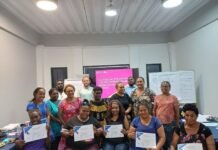
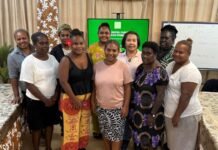
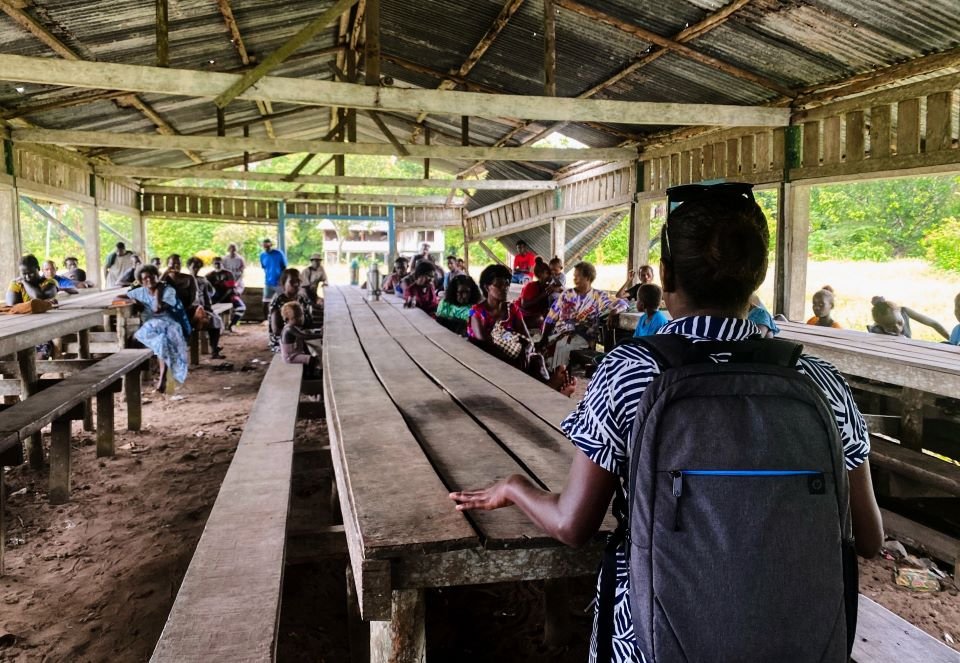
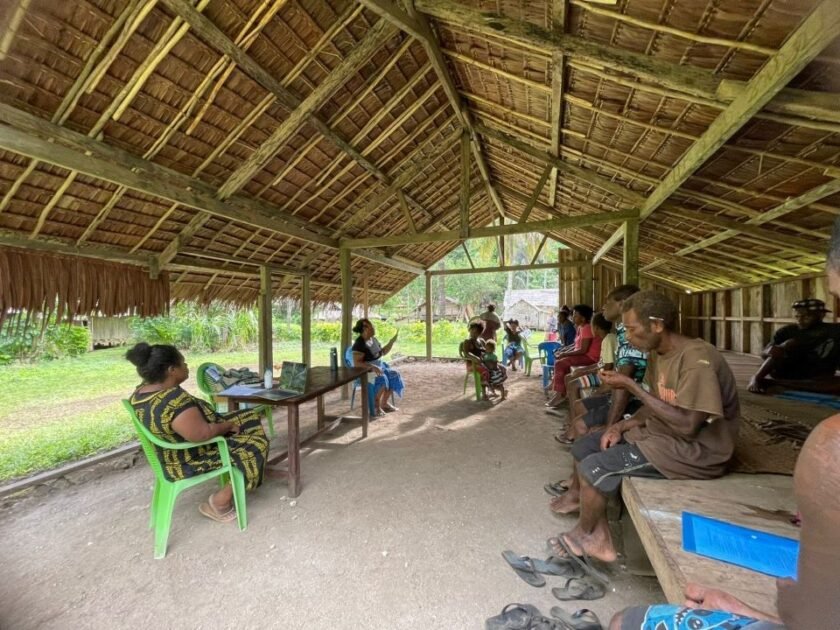
Communities in the Western and Temotu provinces are now seeing the start of new Community Based CARE Committees, led by the Solomon Islands Planned Parenthood Association (SIPPA) through its EmpowerHER project.
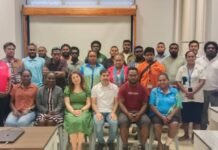
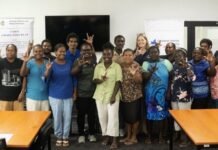
The initiative aims to bring together trusted community members, including chiefs, traditional leaders, women leaders, youth, church leaders, and representatives of people with disabilities. Local service providers, provincial government officials, and members of SAFENET are also involved where possible.
The project is ongoing in Western Province from 18–27 March and in Temotu Province from 19–27 March. It is carried out in partnership with SAFENET members and an SGBV consultant from Alinea International.
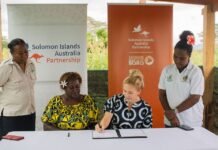
The EmpowerHER project, which stands for Promoting and Protecting Women and Girls’ Rights, supports women and girls to live free from violence. It is funded by Global Affairs Canada and implemented by Alinea International in partnership with SIPPA.
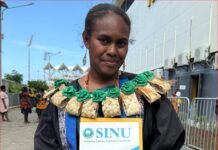
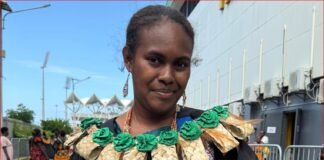
Viann Vozoto, EmpowerHER Project Officer for SIPPA in Western Province, explained that each CARE committee has 16 members. “Each committee ensures inclusive representation from key groups within the community, including elderly men, women, and youth, with four representatives from each group,” she told SUNDAY ISLES.
Viann shared that nine communities in Western Province were chosen to pilot the CARE committees. “We have identified nine communities to pilot the CARE committee in Western Province, and so far we have successfully established committees in five communities, with four remaining to be completed,” she said.
She also expressed encouragement at the strong support from local communities. “They clearly recognised the value of establishing CARE committees and have shown genuine support for the initiative,” Viann said.
According to Viann, the committees address an important gap in preventing violence by strengthening community capacity and improving referral pathways to formal services. “For many years, there has been limited and inconsistent linkage between communities and essential services such as health, social, and legal support,” she said.
“Through these committees, we are building a more structured and reliable system. The feedback from community members has been very positive. They have expressed that this is something they have long needed. Importantly, they are committed to continuing this partnership and working closely with our team moving forward,” Viann added.
The activity is a key step in strengthening grassroots protection systems and improving links between communities and support services for survivors of violence.