

























BY SHOREYANN RAGOSO
A Solomon Islander is calling on communities to protect mangrove forests, highlighting their vital role in safeguarding coastal homes from climate change.
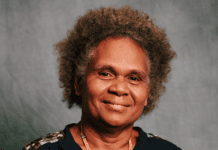
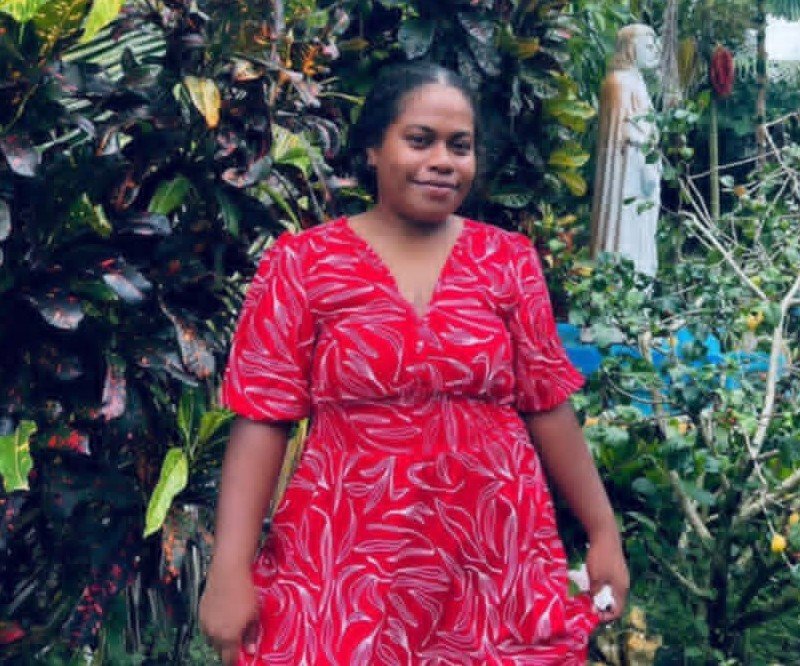
Limah Apairamo, from Malaita Province, is a student at the University of South Pacific (USP) in Laucala, Fiji, pursuing a Bachelor of Arts, majoring in Sociology and Social Work.
Her interest in mangroves began as part of a university assignment but quickly became a personal mission. “Growing up in an island country, I have witnessed how the sea is changing, coastlines are shifting, and communities are becoming more vulnerable,” Limah said. “This experience pushed me to take action, not just study the issue.”
For Solomon Islands, mangroves are not just trees. “Our lives are closely tied to the ocean, and mangroves protect our homes, support our food systems, and sustain our daily livelihoods,” explained Limah.
Mangroves help protect coastal communities from climate change impacts. They act as a natural shield, absorbing the force of waves and storm surges before they reach villages. “Without them, many of our coastal communities would be directly exposed to the harsh impacts of climate change,” she added.
The mangroves’ strong and complex root system holds soil together, reducing coastal erosion. When waves hit the shore, these roots keep the land in place instead of letting it wash away.
Limah also explained the concept of “Blue Carbon,” which is how mangroves help protect the planet by absorbing harmful carbon dioxide from the air and storing it in the soil, slowing climate change.
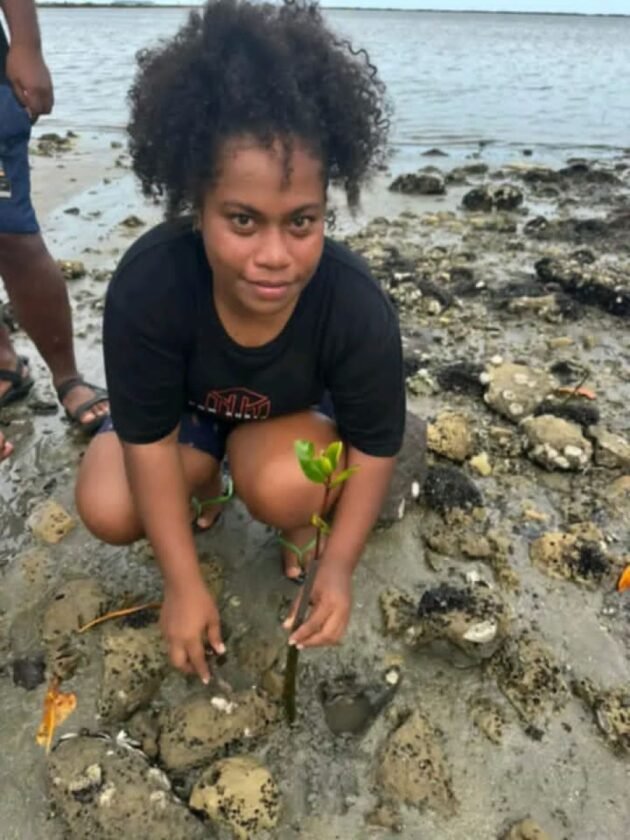
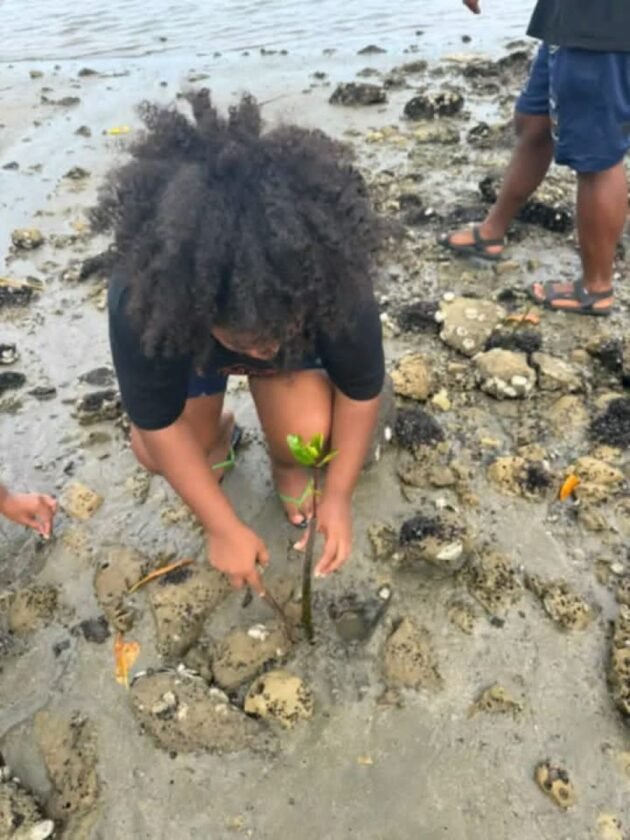
Mangroves support marine life and local fishing communities, acting as nurseries for fish, crabs, and other species. “For many families, this is their main source of food and income,” Limah said.
She noted the changes in coastal areas where mangroves have been removed. The land becomes weak, erosion increases, and the sea advances faster. “Communities in those areas are more exposed and feel the impacts more severely,” she explained.
Limah shared challenges young people face when trying to restore mangroves. “We are willing to take action, but often face limited resources, lack of awareness, and sometimes not enough support. There is potential, but we need more opportunities and guidance,” she said.
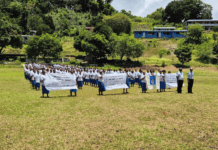
She encourages schools and youth groups to take the lead by organizing planting activities, raising awareness, and working closely with communities. “Even small actions can grow into meaningful change when people work together,” Limah said.
Some communities already understand the importance of mangroves, especially those affected by coastal changes. Others may not realize their value until they experience the impacts.
Miss Apairamo urges leaders and policymakers to take stronger, consistent action. “I would urge leaders to enforce environmental protections, support community-based conservation, and invest in education and long-term sustainability efforts,” she said.
Her simple message to other young Pacific Islanders: “For us in the Pacific, climate change is not a distant issue; it is already part of our daily reality. Mangroves are one of our strongest natural defenses. Protecting them means protecting our homes, our communities, and our future. The time to act is now.”