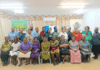


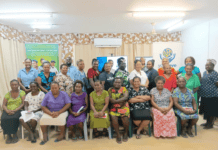
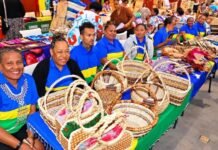
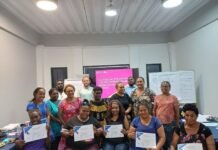



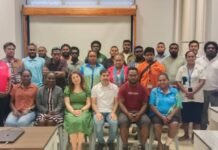
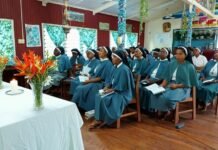







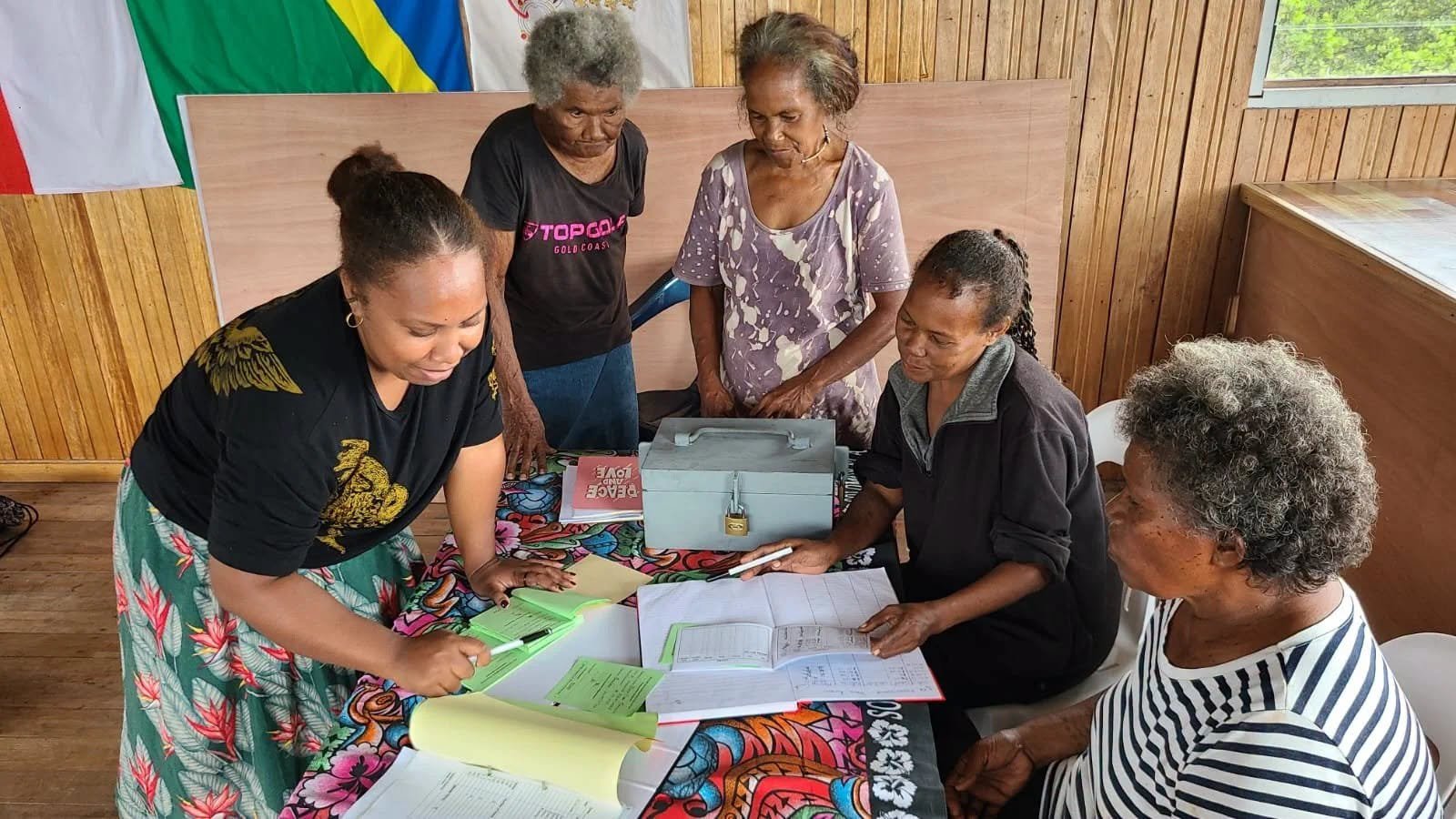
Women in West Are’are, Malaita Province, are playing a vital role in strengthening community resilience by combining traditional knowledge with modern disaster risk reduction practices.
As the world marks International Day for Disaster Risk Reduction, women’s savings groups and village disaster risk committees in Buma and Ailau communities are demonstrating how ancestral wisdom continues to protect families, livelihoods, and communities from natural hazards.
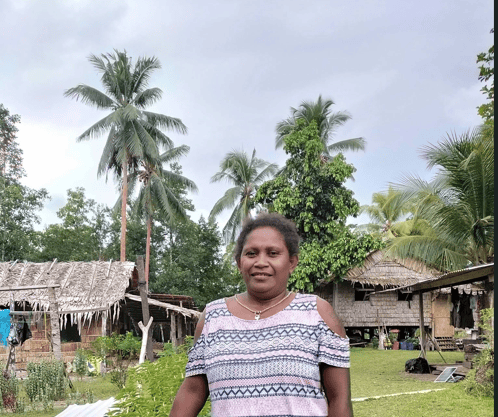
Leading this effort is the Rafalia Women’s Savings Association, where members are embracing traditional teachings passed down through generations. Association leader Regina Nasi said a key lesson from their ancestors was the importance of saving for the future rather than consuming everything immediately.
“Our ancestors taught us not to be Fanarafu – to consume everything without saving – but to be Fanaolofai – to enjoy what we have while saving for the future. This principle continues to guide me and my family today,” she said.
Women involved in savings groups have strengthened household preparedness by encouraging families to set aside resources that can be relied upon during times of crisis. This approach not only improves financial security but also helps communities recover more quickly after disasters.
Local village disaster risk committees are also incorporating traditional knowledge into preparedness planning, including the storage of essential supplies such as water and firewood before emergencies occur.
Community leaders say traditional practices remain highly relevant today, helping villages adapt to increasing climate and disaster risks while preserving valuable cultural knowledge.
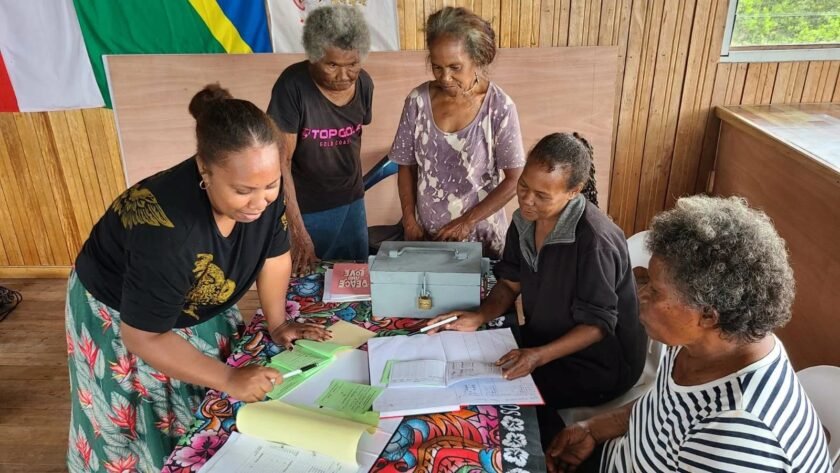
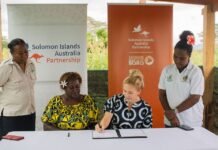
The initiative is supported through the Australian Humanitarian Partnership’s Disaster READY Program in partnership with the West Are’Are Rokotanikeni Association, empowering women and communities to become more prepared, resilient, and self-reliant in the face of future challenges.
The story highlights the important role women continue to play as custodians of traditional knowledge, ensuring that lessons from the past help safeguard future generations.
Source : Australian High Commission in Solomon Islands.