














Girls are among those most affected by climate-related loss and damage experienced by vulnerable communities in Solomon Islands.
Loss and damage refers to the unavoidable and irreversible economic and non-economic impacts of climate change that occur when mitigation and adaptation efforts are no longer sufficient.
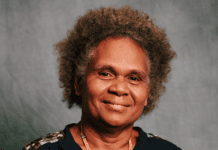
The founder of Kastom Keepers Solomon Islands, Millicent Barty, highlighted this reality through the story of a family from Fanalei and Walande in Small Malaita that was forced to make difficult choices as rising sea levels engulfed their home.
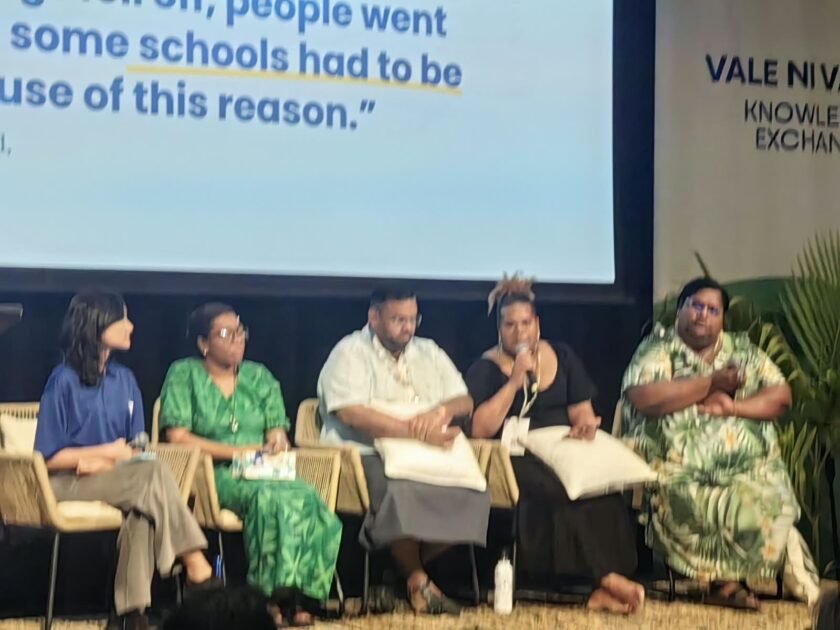
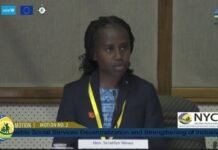
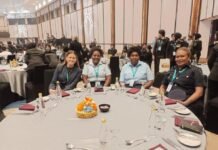
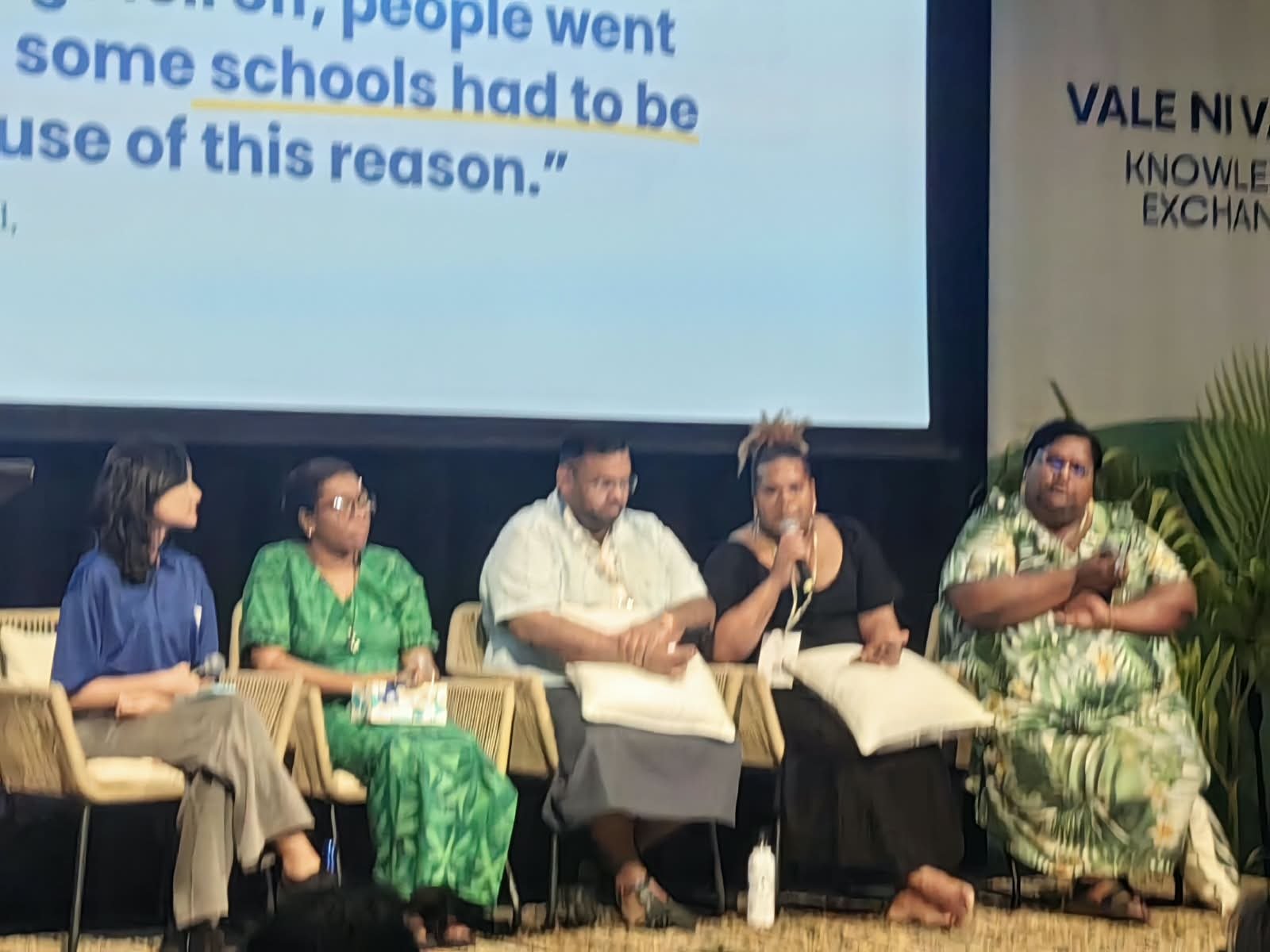
Ms. Barty shared the experience during a panel discussion titled “The Tide Remembers: Pacific Stories of Loss, Damage and Gender Justice” at the Sofitel Hotel on Denarau Island, Nadi, on Tuesday.
Drawing from her work on the Disappearing Islands Project in 2018, which documented climate change impacts, loss and damage across Malaita Province, Ms. Barty said children, particularly girls, often bear the greatest burden when communities experience climate-related losses.
“They don’t only experience the loss, but very often they are expected to absorb it,” she said.
“When I visited Fanalei, around 15 families were still living there. Today, I am told only two families remain who refuse to relocate.
“Walande has completely disappeared, and a new Walande has been established on the mainland.
“These communities have long lived with the question: Where do we go when our island can no longer sustain us? This has not been a concern for only the past eight years, but for decades.”
Ms. Barty said 2018 was simply the year she personally encountered that reality.
“During that work, I met a father and his daughter. She was 15, turning 16. They were not part of our documentary; there was no camera recording the conversation. It was simply an exchange between us.
“The father told me his family had secured a place to relocate on the mainland. His daughter had been arranged to marry the son of a landowner there. Through that marriage and the relationship it created between the families, their future relocation was assured.”
She recalled the father speaking with a smile, but not one of happiness.
“It was a smile of relief. He finally knew his family would have somewhere to go. But there was something else in his eyes.
“Then I looked at his daughter standing beside him. I still remember her face. She looked sad, almost helpless. Yet she remained silent and lowered her head.
“Her face has stayed with me for nearly eight years.”
Ms. Barty said that moment revealed two realities of the same climate crisis.
“On one side was a father desperately trying to secure his family’s survival. On the other was a young girl, just 15 years old, carrying part of the cost of that survival.
“I want to be careful here because arranged marriages are not entirely new within our culture. Traditionally, they helped strengthen ties between tribes and clans, creating reciprocity, responsibility, and a degree of security. The custom exchange practice itself is not the issue.”
What troubled her, she said, was the reason behind the decision.
“Our island is disappearing. We need somewhere to go. We need access to land.
“And sitting at the centre of that survival strategy was a young girl. Her marriage, her choices, and her future became part of the cost. That, for me, is gendered loss and damage.”
Ms. Barty stressed that loss and damage does not begin when an island finally disappears beneath the sea.
“For many island communities, it begins years before that happens, when families can see what is coming and start making impossible decisions to survive.
“I did not leave that story behind in 2018. Almost eight years later, through our work with Kastom Keepers in communities across Langa Langa Lagoon, I am encountering the same realities again.
“Different girls, different families, but the same pressures around land, belonging, and survival.”
She said the issue has become even more personal.
“One of my nieces is now facing a similar situation. Her future has been compromised to secure a place for the family to relocate.
“I have tried my best to help her father see another way, but it is difficult.”
Ms. Barty urged policymakers and development partners to look beyond the physical impacts of climate change.
“When we talk about loss and damage, do not only look at what has physically disappeared.
“Look at what our people are being forced to do so they do not disappear with it.
“And look carefully at who is carrying the cost.
“Because sometimes, long before the sea takes the island, the first thing it takes is a girl and her choice.”
This, she said, is one of the most overlooked dimensions of climate change in the Pacific: the silent burden carried by girls and young women whose futures are reshaped by the struggle for survival.
Source : Eddie Osifelo | Nadi, Fiji