















BY JOY OFASIA
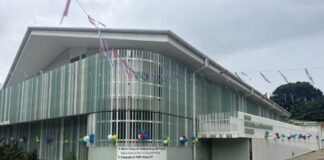
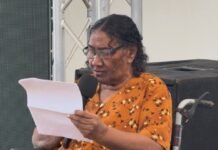
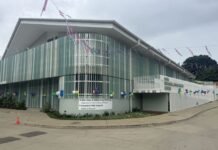
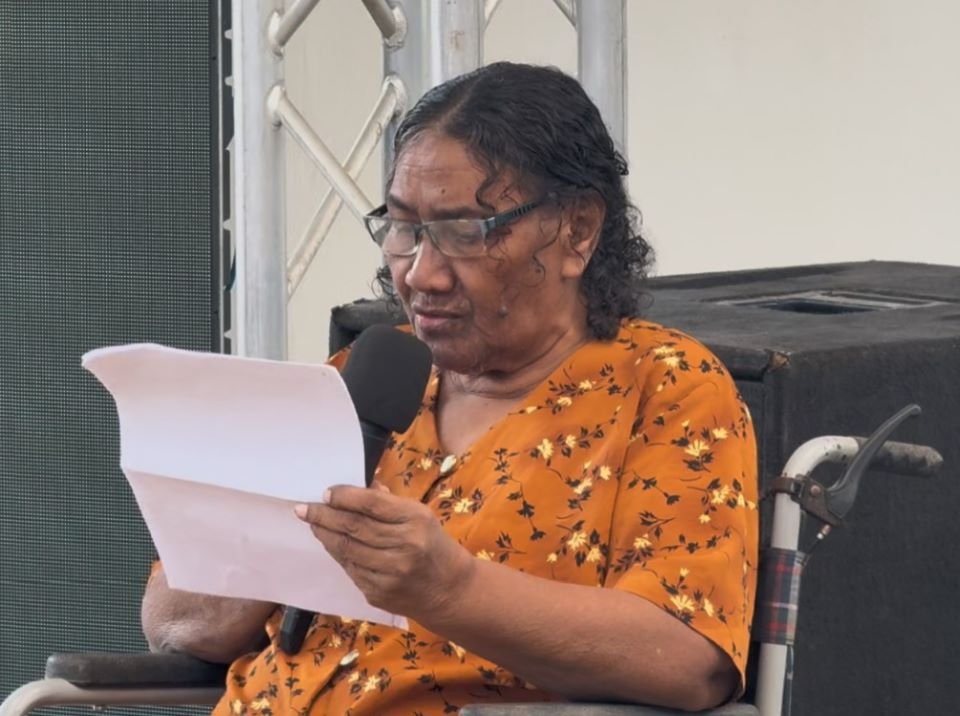
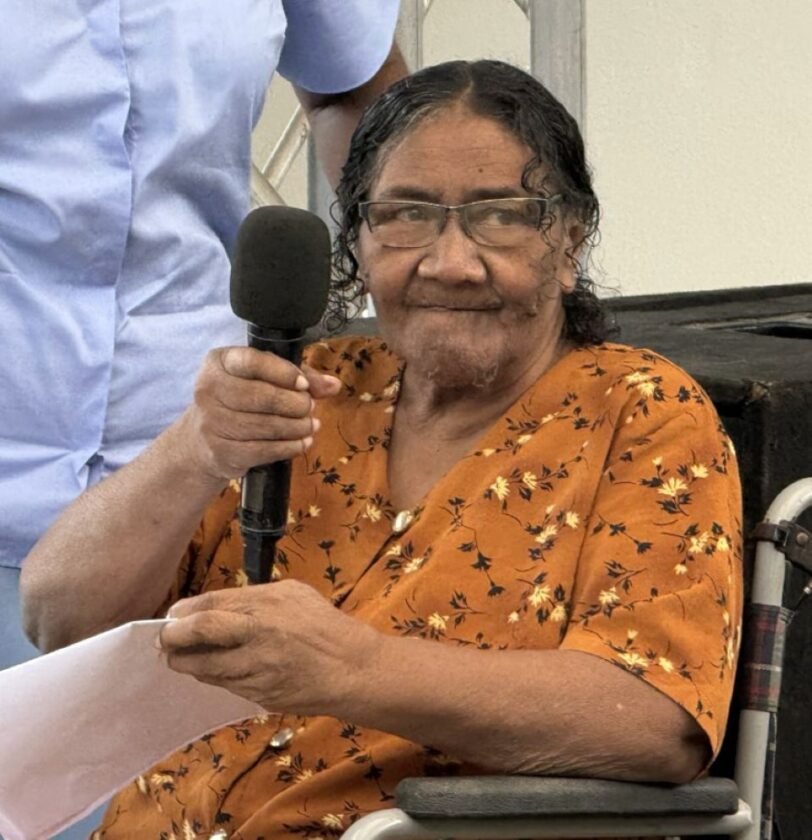
For Naha 1 community representative Ann Seinemua, the opening of the new Level 2 Urban Health Centre is more than the completion of a health project. It marks the latest chapter in a journey she has witnessed for more than four decades.
Speaking at the opening ceremony, Ms. Seinemua remembered the days when Naha was known as Naha Valley, a quiet and largely undeveloped area covered with grass.
“Naha Valley, as it was formerly known, was once a vast area covered with grass,” she recalled.
The area was first identified for housing for employees of the Lunga Hydro project. Roads, including Mount Austin Road and roads through Naha 1, were later developed to support the planned housing project.
However, the Lunga Hydro project stopped in the early 1980s. The planned houses were later taken over by the government and managed through the Public Service Housing Department.
John Holland Construction Limited was then given the task of building affordable houses for low-income families, while the Public Service Office allocated 10 houses to officers on its waiting list.
Ms. Seinemua was one of those officers. She made history as the first woman to receive one of the 10 houses.
After seven years in the public service, she moved into Naha 1 in 1982. Nine male officers followed soon after.
Life was not easy for the first residents.
Naha had few roads, limited transport and almost no essential services. Residents had to travel to find shops, markets, churches, schools, workplaces and medical care.
“The nearest bus stop was along the Prince Philip Highway at Kukum,” Ms. Seinemua recalled.
For residents, reaching basic services could take time and effort. But slowly, Naha began to change.
More houses appeared across the valleys. Shops opened, a school was built and the community grew into a small township.
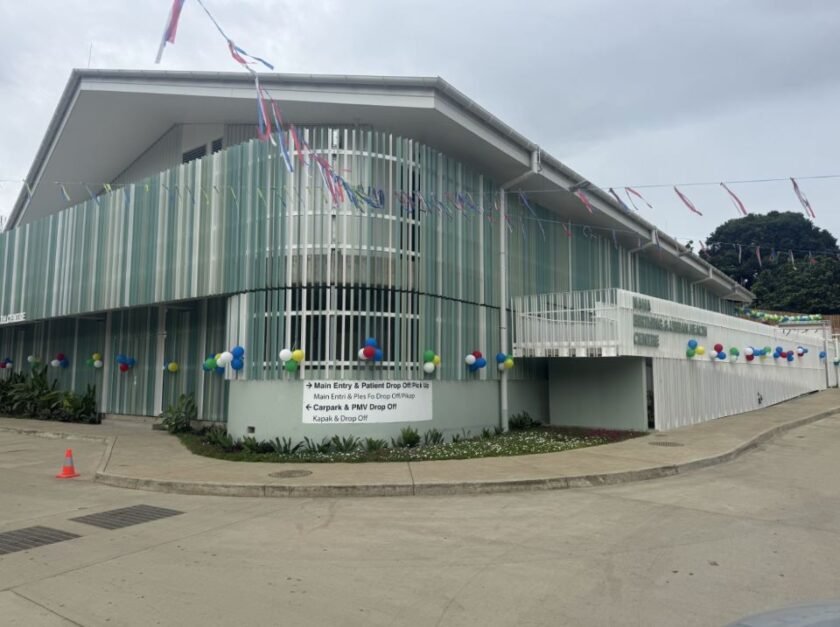
The arrival of the Naha Clinic was another important step. For many residents, it meant they no longer had to travel long distances to seek medical attention.
Ms. Seinemua also remembered health workers visiting homes to help people who were unable to travel to the clinic.
Today, she says the development of the small clinic into a modern Level 2 Urban Health Centre gives the community a strong sense of hope.
“Seeing it grow into a mini-hospital fills us with hope that its services will extend even further, touching lives across Honiara and beyond,” she said.

For Ms. Seinemua, the new centre is a symbol of how far Naha has come.
She thanked the Solomon Islands Government, the Australian Government and everyone who helped make the project possible.
She said the facility was not simply another building, but a lasting legacy for Naha and nearby communities.
From a grass-covered valley with one bus stop far away to a growing township with a modern health facility, Naha’s story is one of steady change.
For a woman who witnessed that change from the beginning, the opening of the health centre is a proud reminder of how a community can grow and improve over time.