





















BY LESLEY FOINAGWA – ISLES FREELANCER
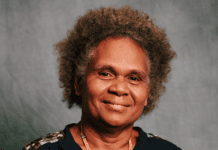
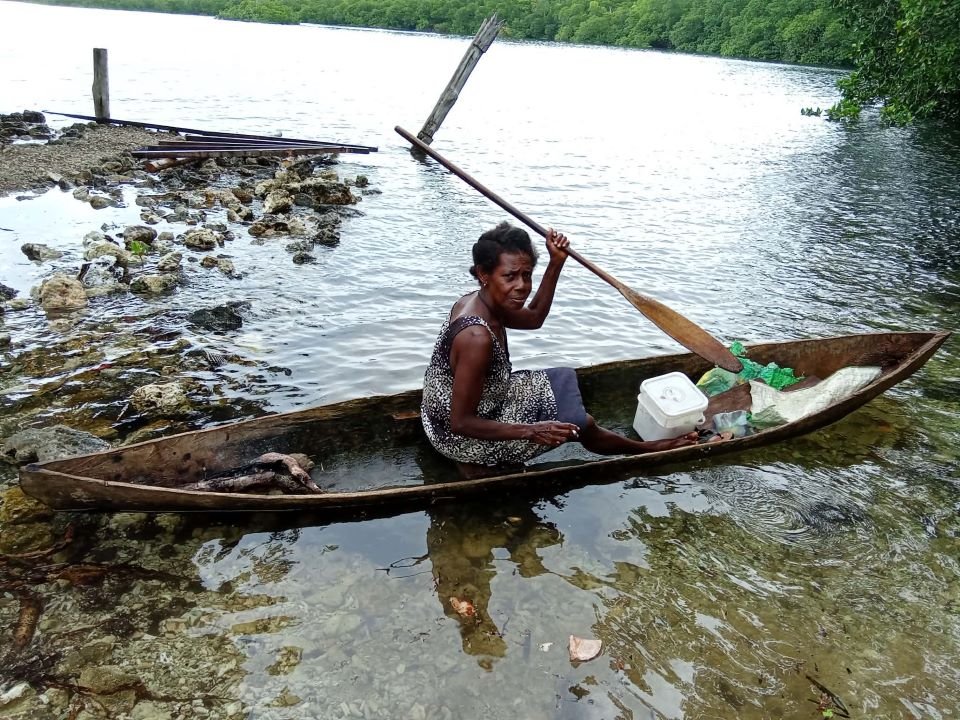
For more than twenty years, Magdalene Geni’ufaria from West Kwaio, Malaita province has lived her life by the rhythm of the sea. Each day, she walks from her home to the shore, carrying her fishing gear and a quiet determination. Out on the reef, she casts her line into the water, waiting for the moment that keeps her coming back—the strong pull of a fish.
What started as a simple way to feed her young family has become a lifelong routine, shaping not only how she earns a living but who she is.
Geni’ufaria, a mother of three, began fishing when her children were still small. At that time, she needed a reliable way to provide food and income. The sea became her answer. Now, in 2026, even though her children are grown and married, she continues to fish with the same passion she had when she first started.
“I like fishing because when the fish pull my line, I feel excited and interested to catch them,” she said.
For her, fishing is not just work. It is something she truly enjoys. The feeling of a fish tugging at her line brings excitement and purpose. It is this simple moment that has kept her going for more than two decades.
Over the years, Geni’ufaria has gained experience and skill. On a normal fishing day, she can catch between sixty and eighty fish, depending on the weather and her luck.
“I catch around sixty, seventy or even eighty fish sometimes,” she explained.
Most of the fish she catches are medium-sized reef fish. They may not be large, but they are valuable to her and her community. She sells them at different prices depending on their size. Some fish sell for about $2.00, while others can reach up to $10.00.
Not every fish is sold. Those that are too small or not good enough for customers are taken home to feed her family.
“The fish that are not fit for sale, I keep them for food,” she said.
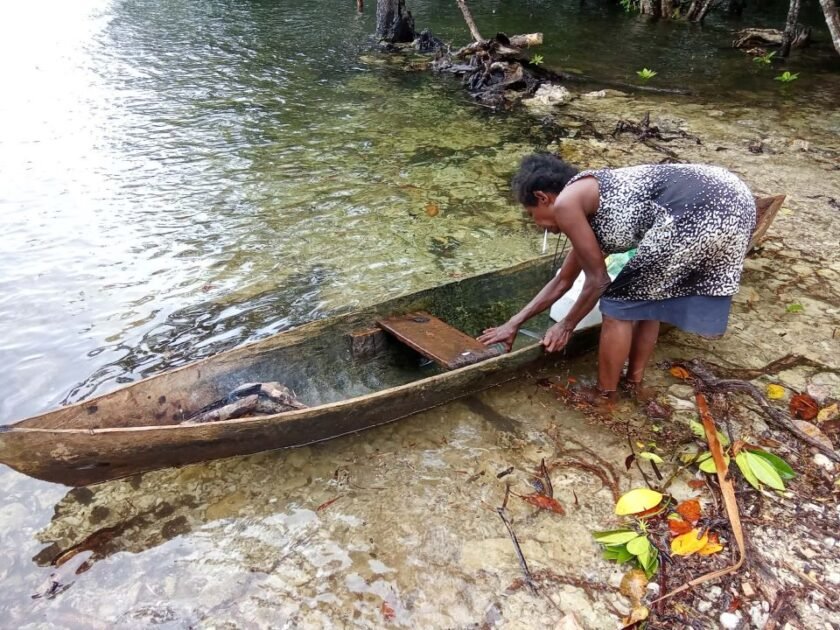
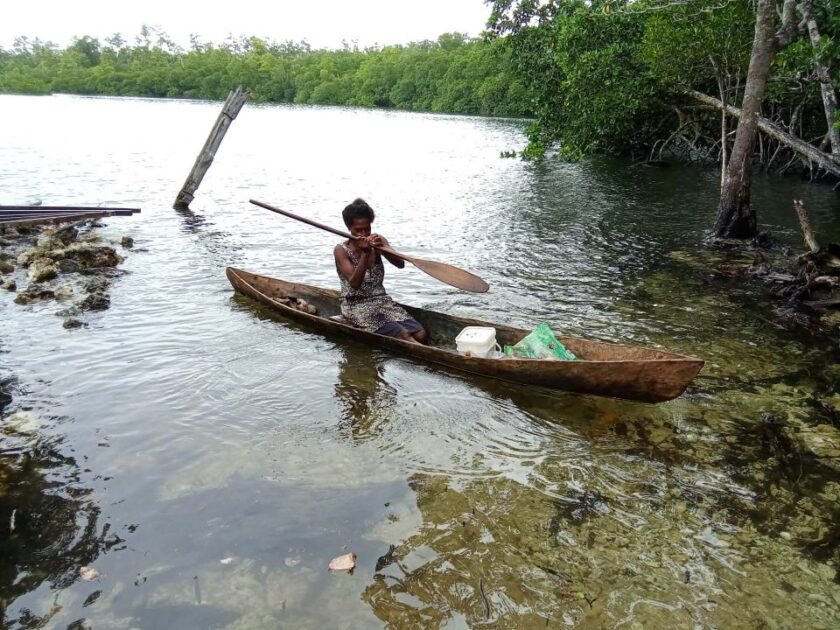
Fishing provides her with both food and income. On a good day, she can earn around $70. Sometimes she earns as much as $80, while on slower days she may bring home about $50.
“My largest amount I take is $80 and the smallest is around $50,” she added.
Unlike large-scale fishers who sell in busy markets, Geni’ufaria sells her catch within her local area. As she walks home from the sea, people along the road often stop her to ask if she has fish for sale.
“I usually sell my fish along the road when I return home. If someone asks me for fish, I sell it to them,” she explained.
This way of selling connects her closely with her community. Her work not only supports her own needs but also helps feed others around her. At times, she even sells fish to local leaders, including a Member of Provincial Assembly who buys from her when he needs fresh fish.
Her daily routine is not easy. Before she even reaches the reef, she must walk about one kilometer from her home to the seaside. After fishing, she walks the same distance back. In total, she covers about two kilometers on foot each day.
Before leaving, she carefully prepares her fishing gear. She carries a paddle, fishing line, hooks, a basket, and a small knife. These simple tools are all she needs to do her work.
“When the weather is good, I take my paddle, basket, knife, hooks and fishing line. I paddle my canoe through the mangroves to reach the reef where I fish,” she said.
But the sea is not always calm. One of the biggest challenges she faces is rough weather. Strong winds and high waves can make fishing dangerous, especially because she uses a small canoe.
“If the sea is rough, I cannot go fishing because my canoe is small,” she explained.
She believes that having a bigger canoe would make her work safer and allow her to continue fishing even when conditions are not perfect.
Despite these challenges, Geni’ufaria remains committed. She fishes six days a week, from Monday to Saturday. Sunday is the only day she rests.
“The only day I stop fishing is Sunday because it is my prayer day,” she said.
There are also times of the year when she must stay away from the sea completely. During cyclone season, the risks are too great.
“The only time I really stop fishing is during cyclone season because it is too dangerous,” she added.
Most of her fishing takes place along the side reefs, where the water is safer than the open ocean. This allows her to continue working while reducing some of the risks.
Fishing takes up most of her time, leaving little room for other activities like gardening, which is also important in rural life.
“I spend more time fishing and less time working in the garden,” she said.
Still, she does not complain. For Geni’ufaria, the sea provides what she needs. It feeds her, supports her, and gives her a sense of purpose.
Her story is one of strength and dedication. Like many rural women, she depends on natural resources to care for her family and contribute to her community. Through hard work and persistence, she has turned a simple fishing line into a steady source of life.
After more than twenty years, Magdalene Geni’ufaria’s bond with the sea remains unbroken. Each cast of her line carries not just hope for a catch, but the weight of years of experience, resilience, and quiet determination.