






















BY SHOREYANN RAGOSO
A new report launched yesterday during International Women’s Day celebrations is calling for a fresh approach to tackling domestic violence in the Solomon Islands. The report urges moving away from imported frameworks and instead developing solutions based on local culture and community realities.
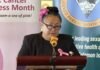
Speaking at the launch, Associate Professor Danielle Watson, Chief Investigator of the Solomon Islands DECRA Research, expressed gratitude to the many individuals and organizations who contributed to the study.
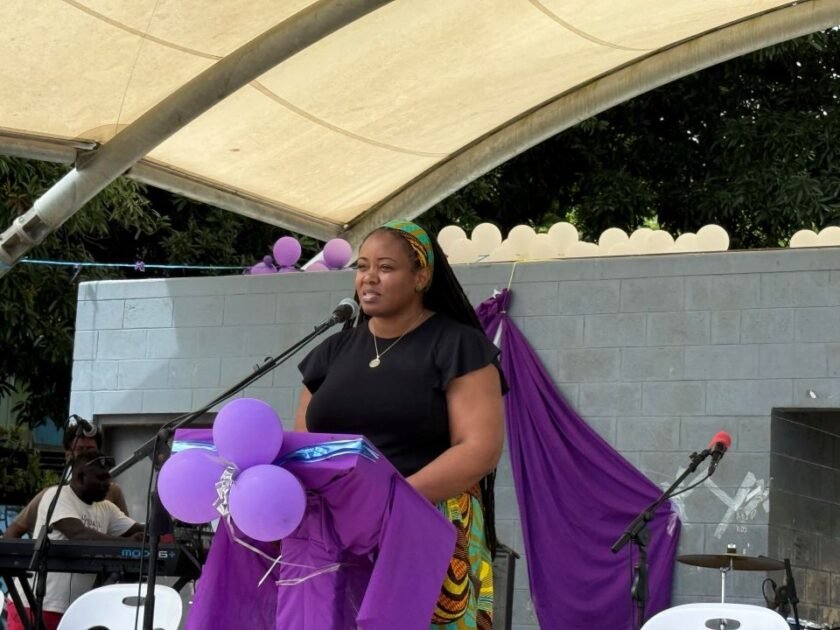
“I warmly thank the SAFENET partner organisations, government ministries, and civil society representatives who generously shared their time and insights,” said Danielle Watson. “Their willingness to speak openly about both the challenges and opportunities in responding to domestic violence made this research possible.”
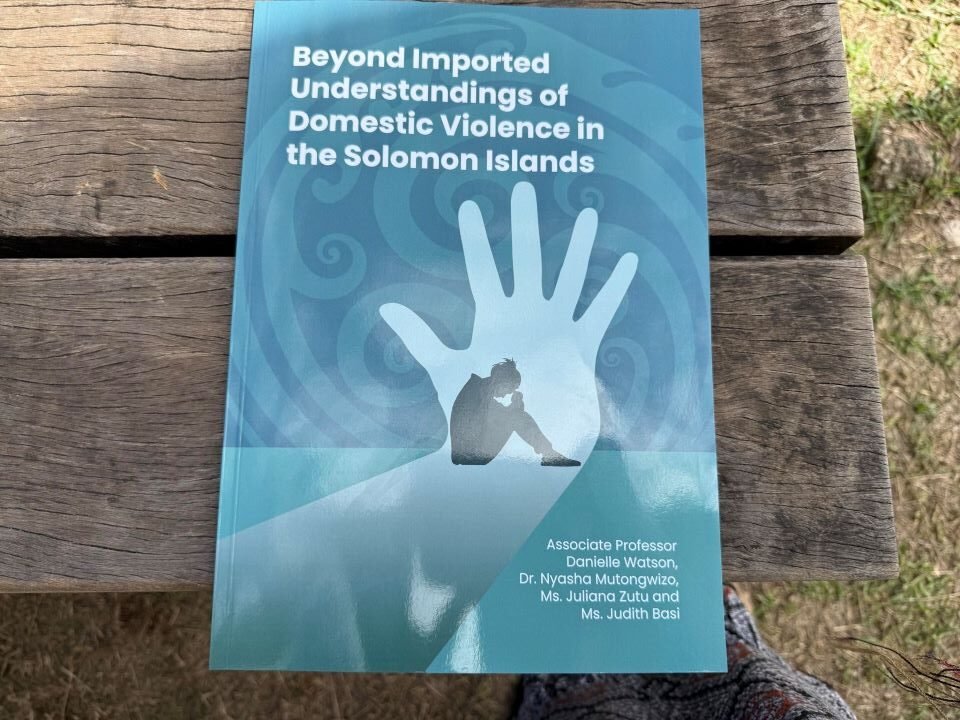
Funded by the Australian Research Council through a Discovery Early Career Research Award and carried out by a team from Queensland University of Technology, the report titled “Beyond Imported Understanding of Domestic Violence in the Solomon Islands” puts local voices at the center of the conversation.
“In the Solomon Islands, the scale and persistence of domestic violence affects families, communities, and institutions across every sector of society,” Watson noted, while acknowledging progress such as the Family Protection Act, gender-based violence policies, and the SAFENET network that links survivors to medical, legal, and shelter support.
The DECRA research in the Solomon Islands focuses on addressing domestic violence through culturally grounded and community-informed lenses. This research exemplifies the value of context-sensitive research, revealing the complexities of understanding and addressing domestic violence in a post-colonial Pacific context. The findings and recommendations reflect rigorous academic inquiry and the lived experiences of frontline responders, civil society actors, and government representatives. The research also highlights systemic gaps, celebrates the resilience and innovation of local actors, and offers concrete strategies to strengthen multi-sectoral collaboration, survivor-centered services, and culturally relevant education.
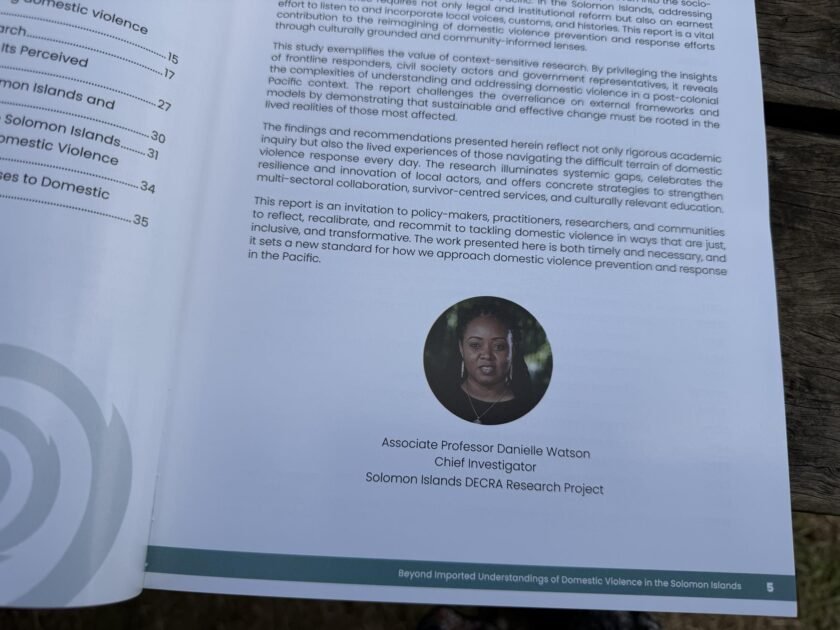
However, the research started with a simple question: how can we truly understand and respond to domestic violence in ways that reflect the realities of the communities we are trying to support?
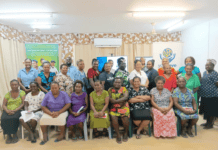
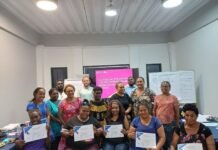
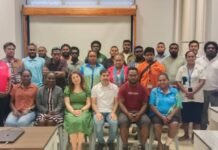
The study draws on insights from 52 frontline workers, including police officers, government officials, healthcare professionals, social workers, and civil society representatives.
“Their insights provide a deeply grounded understanding of how domestic violence is understood, experienced, and addressed within the Solomon Islands context,” said Watson.
One key finding is that cultural and social contexts play a central role in shaping how domestic violence is addressed. The report also highlights ongoing challenges, including limited resources, staff shortages, and heavy workloads. Survivors in rural and remote areas often struggle to access services due to transportation barriers or the limited availability of support.
The report offers six recommendations to strengthen responses to domestic violence in the Solomon Islands:
- Strengthen legislation and law enforcement capacity
- Improve coordination between agencies
- Expand culturally relevant education and prevention programs
- Strengthen survivor-centered support services
- Increase training for responders
- Expand services in remote communities
At the launch, Watson praised the resilience of local individuals working across police services, churches, hospitals, and NGOs.
“Their work demonstrates compassion, professionalism, and perseverance, often under very difficult circumstances,” she said.
Watson expressed hope that the report will foster continued dialogue and collaboration.
“Most importantly, I hope it helps ensure that local knowledge, local expertise, and local experiences continue to shape how this issue is understood and addressed,” she emphasized.
Watson thanking everyone who contributed to the research and recognizing those who continue to work tirelessly to support survivors and strengthen communities.