











BY SHOREYANN RAGOSO
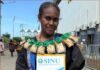
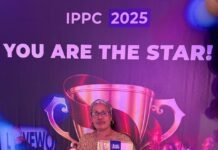
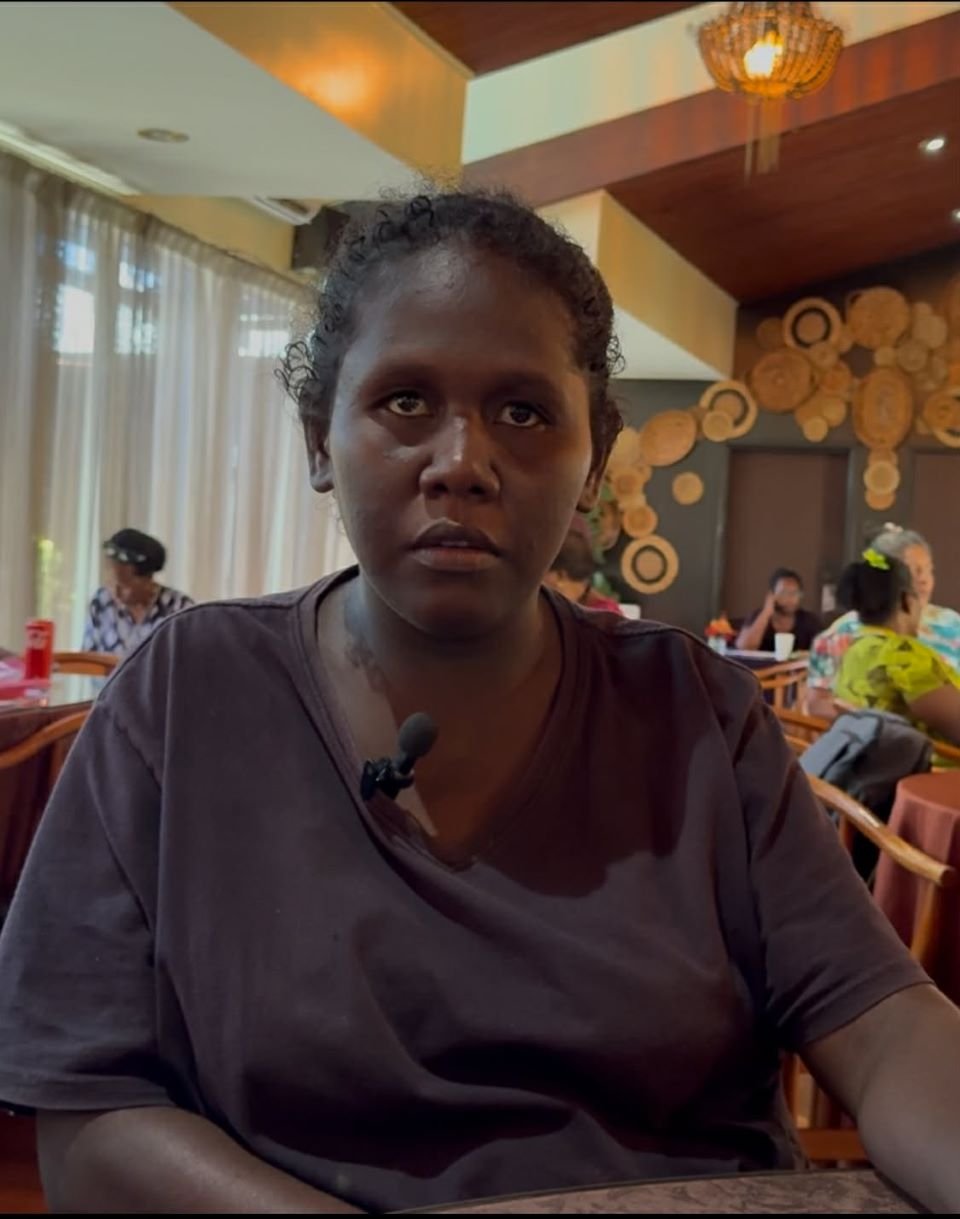
For many people, attending a national forum may simply be another meeting. But for 26-year-old Sharita Luisa, it was a life-changing moment — a chance not only to learn, but also to speak up for people like herself.
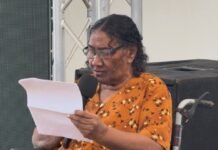
Sharita, a young visually-impaired woman from Shortland Islands, recently attended the 7th National Women’s Forum in Honiara as a representative of the Blind and Visual Impaired Persons Society of Solomon Islands (BVIPSD).
For Sharita, it was the first time she had ever attended such a large gathering focused on women’s issues.
“It was the first time for a person with disability to come and attend this forum,” she told SOLOMON WOMEN with a smile.
Sharita said she felt grateful for the opportunity provided by the Women’s Rights Action Movement (WRAM), which invited her to participate so she could learn more about the work being done for women and people with disabilities in the country.
“This opportunity that WRAM gives, I was so happy with that,” Sharita said. “I can access the information to know what WRAM has been doing, and what the Ministry of Women has been doing, and what services the government has been providing for every woman in the country.”
For Sharita, the forum was more than just listening to presentations. It was an important step in her journey as an advocate for people with special needs.
As someone who lives with blindness, she understands the daily challenges faced by people with disabilities in the Solomon Islands. Many struggle with limited access to information, opportunities, and support.
But instead of staying silent, Sharita chose to speak up.
During each session of the forum, she pushed herself to ask questions — especially about how people with disabilities could access the opportunities being discussed.
“As an advocate for people with special needs, I ask the facilitators during their presentations about ways or options for people with disabilities to access these opportunities,” she explained.
Through those discussions, Sharita began to realise something powerful — that opportunities do exist, but people must also take the courage to step forward and claim them.
“I was so happy that this forum opened doors for us,” she said. “We ourselves realise that there’s a way for us.”
She believes that people with disabilities should not feel afraid or left behind.
“If we stay back we cannot achieve,” she said firmly. “We must step out knowing that people are there for us to help us with these opportunities.”
One topic that particularly inspired Sharita was women’s economic empowerment — the idea that women should have equal rights and access to economic resources and opportunities.
For Sharita, this was an encouraging message, especially for women with disabilities who often struggle to find employment or financial independence.
“Today it opens a way that I see fits us to go in and ask questions,” she said. “There’s a path that we can go and access it.”
Sharita described the forum as a true “blessing.” She said she was especially encouraged to see WRAM recognising the rights of people with disabilities and supporting the Convention on the Rights of Persons with Disabilities (CRPD), an international agreement that promotes dignity, equality, and inclusion for people living with disabilities.
She believes these efforts are important steps toward ensuring that governments recognise and support the rights of people with disabilities at every level.
As the forum came to an end, Sharita had one message for women across the country — especially those who may feel unseen or unheard.
“This message that I would like to give to women is that all women must come out and stand together with women representatives,” she said. “Then you too can have access to the same opportunities that we have.”
Sharita also expressed heartfelt thanks to WRAM and the organisers for making space for people with disabilities to be heard.
“Thank you to WRAM for requesting us to come and attend the forum, so that we can come and express our feelings,” she said. “They are willing to hear us and push us forward.”
She added that without such support, many people with disabilities would continue to struggle quietly.
“Without them we won’t be able to reach the level that we want,” Sharita said. “It has been a pain to us for so long, so we are very thankful to WRAM and also the Ministry for giving us this opportunity.”
Today, Sharita returns home not only with new knowledge, but also with renewed confidence. She hopes to continue speaking for those who cannot always speak for themselves.
Stories like Sharita’s remind us that people with special needs often shine brightest when they are given a chance — yet too often they are overlooked.
But with courage, support, and opportunities like the National Women’s Forum, voices like Sharita’s are beginning to be heard. And when they speak, they carry the hopes of many others who are still waiting for their chance.